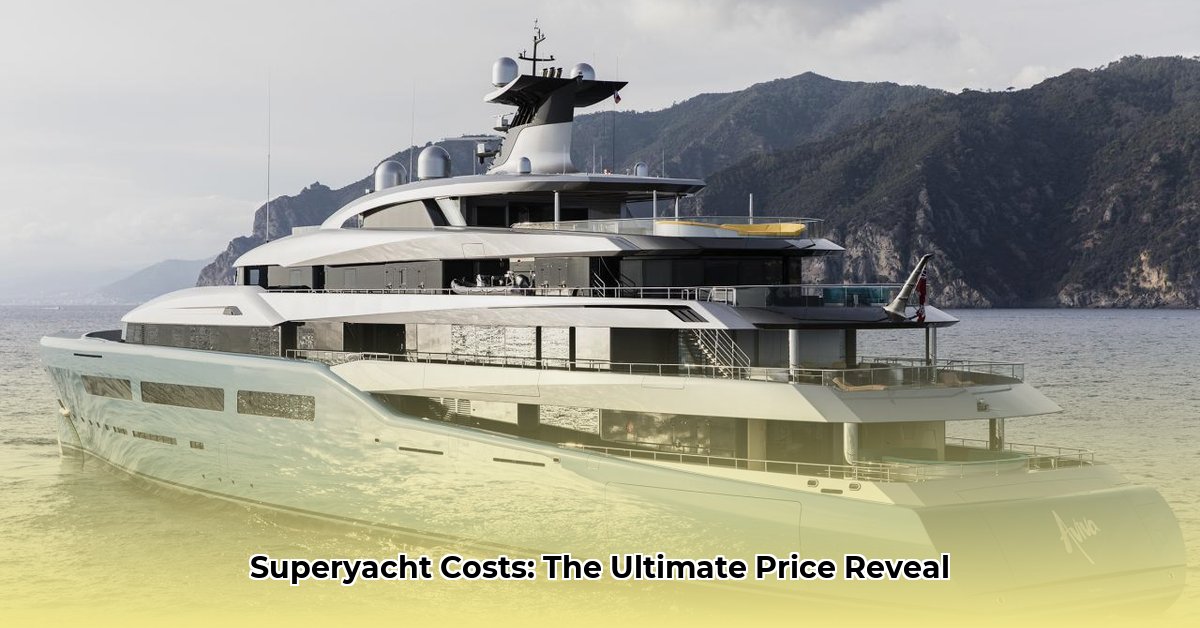
Dreaming of cruising the Mediterranean on your own superyacht? The reality, however, extends far beyond the initial purchase price. Owning a superyacht is a significant financial undertaking, demanding a comprehensive understanding of both upfront and ongoing expenses. This guide provides a detailed breakdown of superyacht ownership costs, empowering you to make informed decisions.
Initial Purchase Price: Setting Sail on a Multi-Million Dollar Investment
The initial investment in a superyacht varies dramatically based on size, features, and level of customization. A smaller yacht (approximately 50 meters) might start around $20 million, while a mega-yacht (100 meters or more) can easily surpass $200 million, and even reach significantly higher figures. This is just the starting point; ongoing costs are substantial and should be meticulously planned for. How will you finance this substantial initial outlay? Careful consideration of financing options is crucial at this stage.
Ongoing Operational Costs: A Comprehensive Breakdown
Annual operational costs typically range from 8% to 10% of the initial purchase price, and can often exceed this figure. Let's examine the key expense categories:
Crew Costs: The Human Element of Superyacht Ownership
Employing a professional crew—captain, engineers, chefs, stewards, and potentially additional personnel—is essential for safe and comfortable operation. Salaries, benefits, and insurance for the crew represent a substantial portion of annual expenses. Larger yachts require larger crews, significantly inflating these costs. What strategies can you employ to manage crew costs effectively?
Maintenance & Repairs: The Unexpected Expenses of Luxury
Unforeseen repairs and maintenance are unavoidable. Regular servicing minimizes major issues, but unexpected problems demand immediate attention and can be extremely costly. How can you minimize the impact of unexpected repairs? Proactive maintenance is crucial, but insurance policies should also be carefully considered.
Fuel Consumption: A Significant Variable Cost
Fuel is a major recurring expense, directly related to yacht size and usage. Fluctuations in fuel prices add volatility to annual budgets. What strategies can mitigate the impact of fluctuating fuel prices? Fuel-efficient vessel design and optimized cruising routes play a critical role.
Docking and Mooring: Securing a Safe Haven
Marina fees vary widely based on location and amenities. Prime locations command premium prices. Long-term contracts, where feasible, can offer some cost stability. How can you minimize berthing expenses without compromising access to desirable locations? Careful selection of berthing locations, considering both cost and accessibility, is key.
Insurance: Protecting Your Multi-Million Dollar Asset
Comprehensive insurance is mandatory, but premiums vary based on several factors including the yacht’s age, size, operational profile, and the breadth of your insurance policy selection. What factors influence insurance costs? Detailed discussions with insurance brokers are necessary to secure appropriate coverage at the most favorable rates.
Provisioning: Stocking the Yacht
Stocking the yacht with food, beverages, and other supplies for the crew and guests is an ongoing expense. How can you manage provisioning costs effectively? Careful planning and potentially exploring bulk purchases can lead to savings.
Long-Term Cost Projections: Navigating the Uncertainties
Predicting long-term costs is inherently challenging. Inflation impacts all expenses, and unforeseen repairs can arise. Depreciation, similar to other assets, should also be considered. A robust financial plan, encompassing these variables, is essential.
Risk Assessment Matrix: Identifying and Mitigating Potential Challenges
| Risk Category | Likelihood | Potential Impact | Mitigation Strategies |
|---|---|---|---|
| Major Mechanical Breakdown | Moderately Likely | Very High | Proactive maintenance, robust insurance, emergency fund |
| Crew Changes | Moderately Likely | Moderate | Competitive salaries, good working conditions, retention plans |
| Fuel Price Fluctuations | Very Likely | Moderate | Fuel hedging strategies, exploring alternative fuels |
| Geopolitical Issues | Unlikely | Very High | Careful route planning, risk assessment of cruising locations |
| Legal/Regulatory Compliance | Unlikely | Moderate | Expert legal counsel, staying compliant with international laws |
Actionable Strategies for Cost Optimization: Charting a Course to Financial Stability
- Prioritize Preventative Maintenance: Regular servicing minimizes major breakdowns and unforeseen expense.
- Comprehensive Insurance: Secure robust insurance coverage to mitigate significant financial risks.
- Attract and Retain Skilled Crew: Competitive salaries and positive work environments reduce turnover.
- Fuel Efficiency: Optimize cruising routes and speeds to minimize fuel consumption.
- Professional Financial Advice: Consult experienced financial advisors for tailored strategies.
Conclusion: Steering Towards Informed Decisions
Superyacht ownership demands a realistic assessment of both immediate and long-term costs. Careful planning, professional guidance, and a proactive approach are essential for managing the complexities of this luxurious lifestyle. Remember, it’s a significant financial commitment requiring diligent financial management.